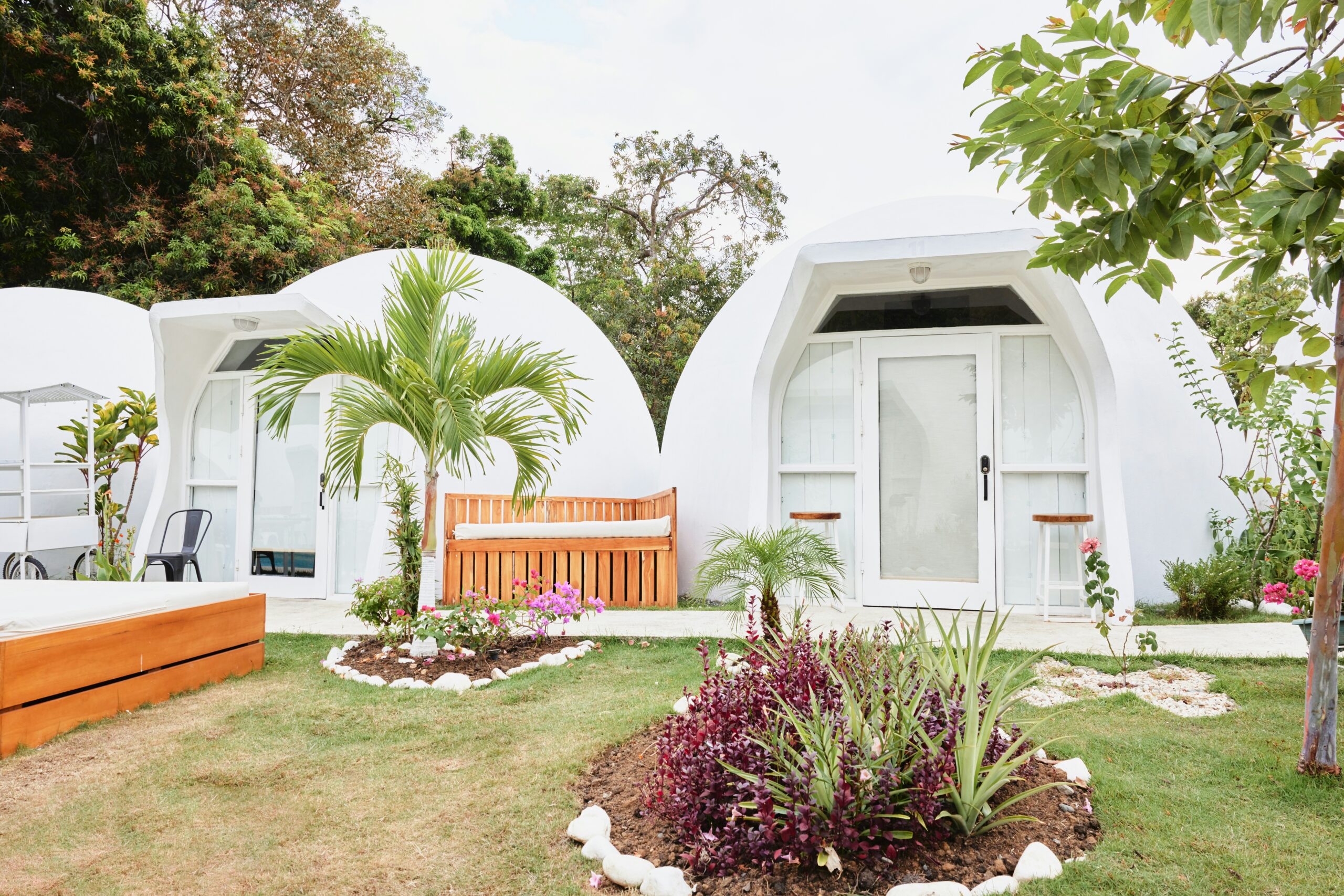
Outdoor environments have become an essential part of the hospitality experience. Guests often look beyond the comfort of their rooms and expect inviting outdoor spaces to relax, socialize, and enjoy nature. A thoughtfully designed hotel garden can significantly enhance a property’s appeal while providing memorable experiences for visitors.
A well-planned garden not only enhances visual aesthetics but also contributes to the hotel’s overall atmosphere. Outdoor areas can serve many purposes, such as quiet relaxation zones, social gathering spaces, or scenic spots for dining and events. By carefully designing these spaces, hospitality businesses can create an environment that encourages guests to spend more time on the property.
Planning the Layout for a Functional Garden
The layout of a hotel garden serves as the foundation for the entire design. Before planting trees or installing features, hotels should consider how guests will move through the space. Clear pathways, designated seating areas, and natural focal points help create a garden that feels organized and easy to explore.
A thoughtful layout also ensures that different areas of the garden serve different purposes. Quiet corners may be designed for relaxation, while open sections can accommodate group gatherings or outdoor dining. Dividing outdoor spaces into functional zones allows hotels to maximize their use.
Selecting Plants That Reflect the Hotel’s Character
Plant selection plays a major role in defining the atmosphere of a hotel garden. Different plant types can create completely different moods. Lush greenery can make the space feel calm and natural, while colorful flowers add energy and visual interest.
Hotels should choose plants that match their brand identity and local climate. Native plants are often ideal because they thrive naturally and require less maintenance. When arranged carefully, a combination of trees, shrubs, and seasonal flowers can create a vibrant and welcoming environment for guests.
Designing Relaxing Garden Seating Areas
Comfortable seating areas are essential in any hospitality garden. Guests need places to sit, unwind, and appreciate the outdoor surroundings. Seating arrangements may include lounge chairs, benches, small café tables, or even hammocks in resort settings.
The placement of seating is just as important as the furniture itself. Seating should be positioned near scenic views, shade, or water features to create pleasant experiences. Soft cushions, umbrellas, and pergolas can add both comfort and visual charm to the garden design.
Adding Natural Shade for Guest Comfort
Providing shade is important in outdoor hospitality spaces, especially during warmer seasons. Without shaded areas, guests may avoid spending time outside even if the garden is beautiful. Natural shade can be created through trees, pergolas, and strategically placed structures.
Trees are one of the most effective and attractive shade solutions. Large canopy trees provide cooling effects while adding elegance to the landscape. Combining natural shade with stylish pergolas or outdoor umbrellas allows hotels to maintain comfort while preserving the garden’s visual appeal.
Enhancing Ambiance with Water Features
Water elements can bring a sense of tranquility to a hotel garden. Features such as fountains, ponds, or cascading waterfalls introduce gentle sounds that help create a relaxing environment. These calming sounds can mask nearby traffic noise and improve the overall guest experience.
In addition to sound, water features also enhance visual appeal. A beautifully designed fountain or reflective pond can become a central attraction within the garden. When surrounded by seating and greenery, these features create inviting spots where guests naturally gather and relax.
Creating Scenic Walkways and Garden Paths
Walkways guide guests through the garden while encouraging them to explore different areas. Well-designed paths make outdoor spaces feel accessible and organized. Materials such as stone, brick, or gravel blend naturally with the landscape and provide durability.
Curved pathways can add a sense of discovery by gradually revealing new garden views. Along these paths, hotels can place decorative plants, small sculptures, or seating areas. This approach transforms a simple walk into a pleasant experience that guests will enjoy during their stay.
Using Outdoor Lighting for Evening Atmosphere
Outdoor lighting plays a crucial role in extending the usability of a hotel garden into the evening hours. Soft lighting creates a warm, welcoming atmosphere ideal for outdoor dining, events, or peaceful nighttime strolls.
Lighting can also highlight important garden features such as trees, pathways, and water elements. Carefully placed lights improve safety while adding dramatic visual effects. With the right lighting design, the garden becomes an attractive destination even after sunset.
Incorporating Decorative Garden Elements
Decorative features help give hotel gardens a distinctive personality. Sculptures, artistic planters, and decorative stone structures can add charm and visual interest to outdoor spaces. These elements often become popular photo spots for guests.
When selecting decorative items, hotels should maintain harmony with the surrounding design. Minimalist sculptures may suit modern hotels, while rustic elements complement countryside resorts. Thoughtful decoration ensures the garden feels stylish without appearing overcrowded.
Designing Gardens for Social Media Appeal
In the digital age, visually attractive spaces often gain attention on social media platforms. A well-designed hotel garden can encourage guests to take photos and share their experiences online. This type of organic promotion can help attract new visitors.
Hotels can create photogenic spots using flower arches, unique seating designs, or scenic viewpoints. These features make the garden memorable while offering beautiful photo backgrounds for guests. As guests share these images online, the hotel benefits from increased visibility.
Focusing on Sustainable Garden Practices
Sustainability has become an important factor in hospitality design. Eco-friendly gardens reduce environmental impact while appealing to environmentally conscious travelers. Practices such as using native plants, installing efficient irrigation systems, and minimizing chemical use support sustainability.
Hotels can also incorporate rainwater collection and composting systems to manage resources responsibly. These practices not only protect the environment but also reduce long-term maintenance costs. Sustainable gardens demonstrate that hospitality businesses care about preserving natural beauty.
A well-designed hotel garden can transform ordinary outdoor spaces into relaxing, visually impressive environments. Thoughtful planning, creative landscaping, and comfortable seating help create spaces where guests feel encouraged to spend time outdoors. These gardens add value to the property while improving the overall guest experience.
By combining beauty, functionality, and sustainability, hospitality businesses can create outdoor spaces that leave a lasting impression. A stunning garden becomes more than just landscaping; it becomes a defining feature of the hotel that guests remember and recommend long after their visit.