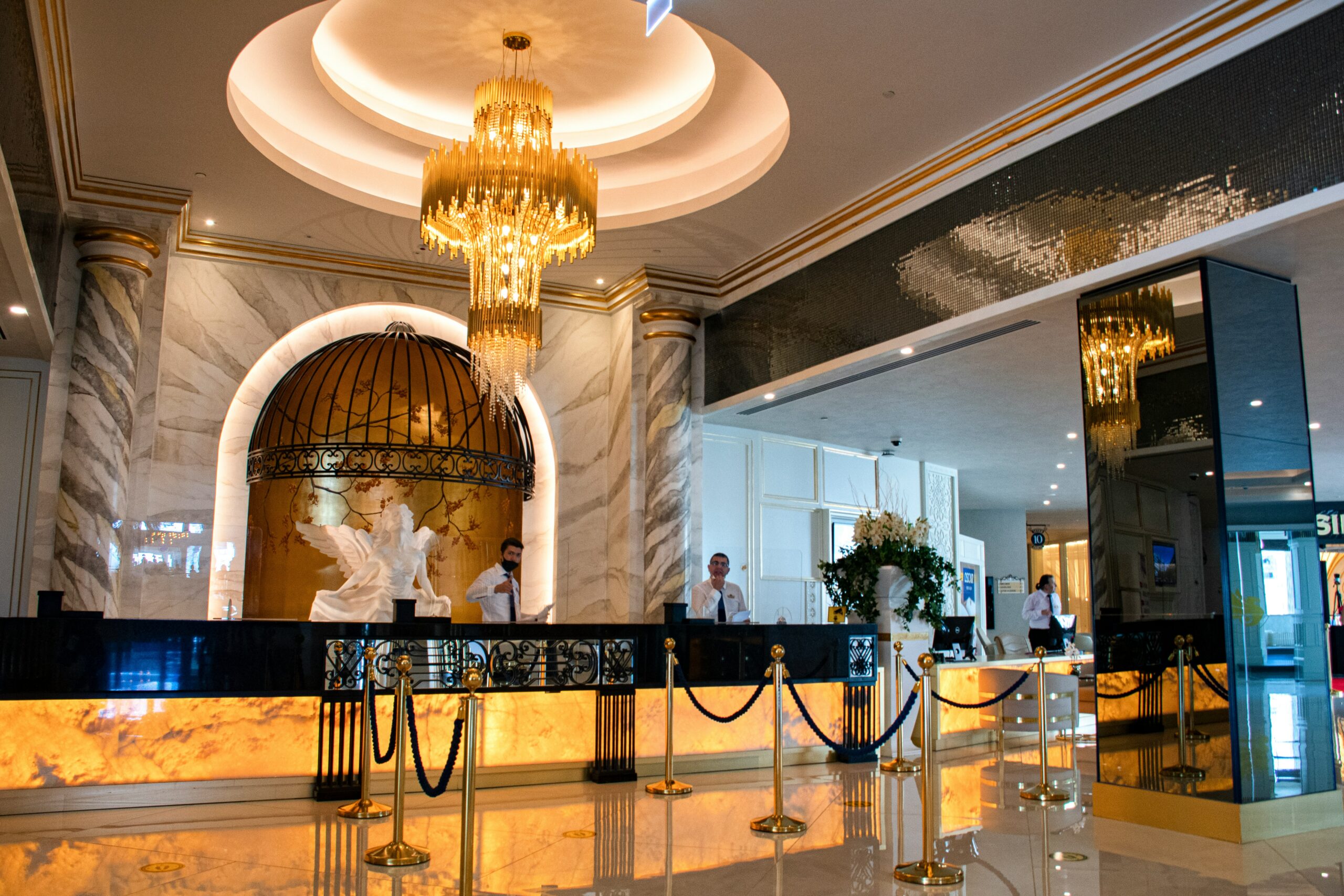
Holistic hotel management connects every part of a property around one goal: creating a better guest experience. Instead of treating departments separately, this approach aligns service, operations, design, technology, wellness, and staff culture. Strong coordination also helps hotels solve problems faster, personalize service, and protect quality during busy periods. Travelers now expect comfort, convenience, and meaningful experiences. Holistic management gives leaders a practical framework for delivering them with operational discipline.
Holistic Hotel Management Creates Consistent Service
Guests rarely judge a hotel through one interaction alone. Therefore, consistency becomes one of the strongest signals of quality. A welcoming front desk means less when housekeeping, dining, or maintenance feels disconnected. Holistic management reduces these gaps by giving every department shared service standards and clear communication channels.
This alignment also improves accountability. Teams understand how their work affects the complete guest journey, not only their tasks. For example, housekeeping can alert reception about room readiness before guests arrive. Likewise, maintenance can coordinate repairs with operations before an issue disrupts comfort. As a result, guests experience smoother service and fewer visible problems.
Better Communication Strengthens the Guest Journey
When teams work in isolation, important details can disappear between departments. However, a holistic operating model encourages regular communication across functions. Staff can share guest preferences, special requests, service concerns, and operational changes quickly. This reduces repeated questions and prevents guests from managing the hotel’s internal communication themselves.
Better information flow also supports personalization. A guest who requests extra pillows should not need to repeat that preference later. Similarly, dining staff can recognize dietary needs already shared with the hotel. These connected interactions make service feel thoughtful rather than mechanical. In turn, guests gain confidence that the property understands and values their needs.
Employee Engagement Supports Better Hospitality
A strong guest experience starts with employees who feel prepared, respected, and connected to the hotel’s purpose. Holistic hotel management recognizes staff experience as an operational priority. Leaders provide useful training, clear expectations, supportive supervision, and practical tools. Consequently, employees can make better decisions without waiting for constant approval.
Empowered employees also respond more naturally during service recovery. If a guest faces a problem, staff can act quickly within clear boundaries. That speed matters because delays often increase frustration. Moreover, employees who understand the service system can offer solutions that fit the broader stay.
Technology Works Best When It Supports People
Technology can improve hotel service, but only when it solves real guest and staff problems. Holistic management evaluates digital tools within the complete operating system. Mobile check-in, messaging platforms, property management systems, and smart-room features should reduce friction. They should never create extra steps simply because the technology is available.
Integration matters as much as innovation. When systems connect properly, staff gain a clearer view of guest needs and room status. Therefore, employees spend less time searching for information. The best hotel technology remains almost invisible because it supports convenient, reliable interactions.
Wellness and Design Shape Guest Perception
Guests experience hotels through their senses as well as through service. Lighting, sound, air quality, layout, greenery, sleep comfort, and cleanliness influence how a stay feels. For this reason, holistic hotel management includes physical and emotional well-being in operational decisions. Design becomes part of service rather than a separate decorative concern.
Wellness can extend beyond spas or fitness centers. Quiet spaces, healthy food choices, natural light, and restful rooms support everyday comfort. When these elements work together, guests feel more relaxed. That positive emotional response can strengthen satisfaction before they evaluate individual amenities.
Sustainable Practices Can Improve Guest Trust
Modern hospitality must balance guest comfort with responsible resource use. Holistic management connects sustainability with operations instead of treating it as a marketing project. Energy efficiency, waste reduction, water conservation, and responsible purchasing can lower costs while protecting service quality. However, these practices need clear planning so guests never feel sustainability means reduced comfort.
Guests respond better when hotels explain responsible choices in simple, credible ways. For instance, optional linen programs feel more respectful when guests understand their purpose. Local sourcing can support fresher experiences while strengthening nearby communities. Therefore, sustainability can become part of guest trust when actions remain practical and authentic.
Data Helps Hotels Improve the Whole Experience
Guest feedback becomes more valuable when hotels study patterns across the entire journey. Reviews, surveys, service requests, loyalty data, and operational reports can reveal recurring friction points. A holistic approach connects these signals instead of reviewing them separately. That broader view helps leaders identify root causes rather than treating each complaint as isolated.
Numbers may show slower check-in times, while employee insight can explain the reasons. Hotels can improve staffing, procedures, training, or technology based on evidence. Continuous improvement becomes focused because changes address the system behind the guest experience.
A Connected Hotel Creates Lasting Guest Value
The strongest hotels do more than deliver separate services well. They create one coordinated experience that feels easy, personal, and dependable. Holistic hotel management makes that possible by connecting people, processes, technology, design, wellness, and responsible operations. Each element supports the others, which reduces friction and strengthens overall service quality.
Instead of chasing isolated trends, they can evaluate every decision through its effect on guests and employees. As a result, the property becomes more adaptable without losing consistency. When the entire hotel works as one system, guests feel the difference through every stage of their stay.