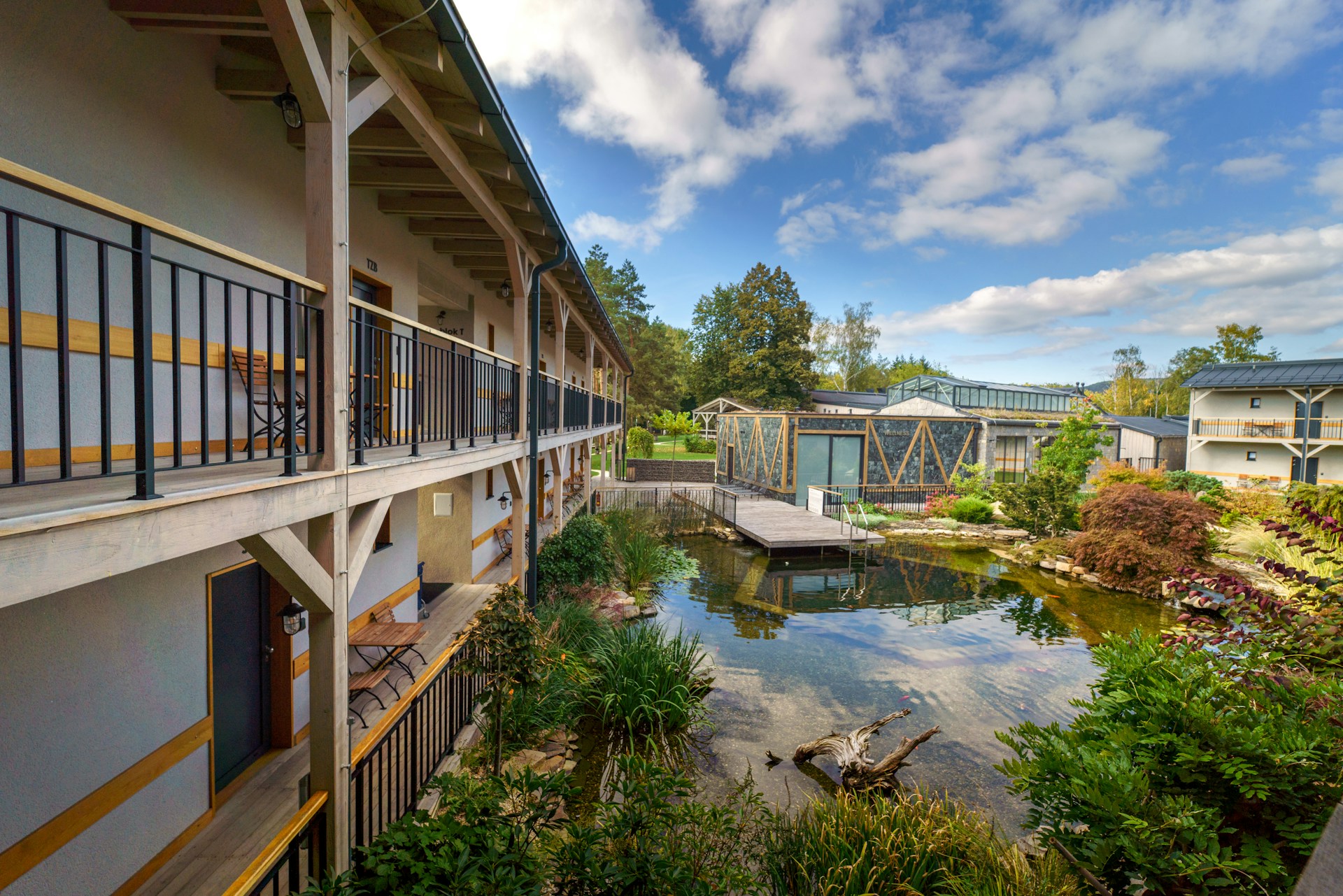
Hospitality properties compete on experience before guests enter a lobby. Strong hospitality landscaping shapes that first impression with purpose. It guides arrivals, frames architecture, supports comfort, and signals care. Smart landscape planning also protects budgets by reducing waste, maintenance pressure, and replacements. For owners, the landscape is not decoration. It is a working part of the guest experience.
Build Hospitality Landscaping Around the Guest Journey
Effective planning starts by studying how guests move through the property. Arrival zones should feel clear, welcoming, and easy to navigate. Planting can soften parking areas while directing attention toward entrances. Trees can create shade near drop-off points without blocking signs or security views. Meanwhile, lighting should reinforce pathways and reduce uncertainty after dark. Every landscape decision should support movement rather than compete with it.
The guest journey continues beyond the entrance. Courtyards, pool decks, terraces, and walking routes need distinct purposes. Hotel landscape design works best when each area supports its intended activity. Quiet spaces benefit from layered planting, shade, and visual separation. Social zones need openness, durable surfaces, and flexible seating. These choices help guests understand each space.
Match Plant Selection to Climate and Operations
Successful properties choose plants for performance, not appearance alone. Native and climate-adapted species often handle local conditions with less intervention. They can reduce irrigation demand, replacement costs, and weather stress. However, managers should evaluate growth habits, litter, roots, and seasonal changes. A beautiful plant can become expensive when maintenance needs conflict with operations.
Planting plans should also reflect staffing capacity. High-maintenance gardens require trained crews, frequent pruning, and regular monitoring. A simpler palette may create stronger visual consistency with fewer labor hours. In addition, grouped plants with similar water needs make irrigation easier to manage. This approach supports sustainable hotel landscaping without sacrificing a polished appearance.
Use Outdoor Spaces to Strengthen Guest Experience
Outdoor areas can extend the value of hospitality spaces. A shaded terrace may become a breakfast setting, lounge, or meeting area. Gardens can provide quiet retreats for guests seeking privacy. Resorts may use planted pathways to connect amenities while creating discovery. Therefore, landscaping should directly support how guests spend their time.
Comfort remains essential outdoors. Shade, airflow, seating, lighting, and noise control should guide design decisions. Trees and planted buffers can reduce heat and soften unwanted views. Water features may add atmosphere, but they also introduce maintenance and safety concerns. Each feature should earn its place through measurable guest or operational value.
Plan for Maintenance Before Installation Begins
A landscape can look excellent at opening and still fail within two years. Success depends on maintenance planning before construction. Property teams should define pruning standards, irrigation schedules, replacements, and seasonal tasks. They should confirm equipment and crew access. These details prevent attractive designs from becoming operational burdens.
Irrigation deserves special attention because hidden inefficiencies can quickly raise costs. Smart controllers, zoning, and moisture-aware scheduling can reduce water use. Mulch and soil improvement can also help retain moisture. At the same time, drainage must protect buildings, paths, and planted areas. Reliable systems preserve both landscape quality and capital investment.
Create a Strong Sense of Place
Memorable hospitality properties often reflect their location instead of copying generic design trends. Regional plants, local materials, and familiar landscape patterns can build authenticity. A coastal hotel may use wind-tolerant planting and open views. A mountain property may emphasize native textures, stone, and seasonal color. This sense of place can make the guest experience more distinctive.
Local character should still align with the brand. Luxury properties may favor restrained compositions and carefully controlled details. Lifestyle hotels may use bolder planting, flexible social spaces, and unexpected textures. Family resorts may prioritize visibility, shade, and durable lawns. When landscape strategy matches brand positioning, outdoor spaces become part of the property’s identity.
Balance Sustainability With Commercial Performance
Sustainability works best when environmental choices also support business goals. Reduced water use can lower utility expenses and strengthen resilience during restrictions. Durable plant communities can reduce replacement spending. Strategic shade may improve outdoor comfort and lower heat around buildings. These benefits make sustainable decisions easier to justify across ownership and operations teams.
Managers should track landscape performance like other property systems. Water consumption, replacement rates, maintenance hours, and guest feedback can reveal weak points. Data helps teams adjust irrigation, planting, and service routines over time. It also supports better budgeting for future upgrades. A landscape becomes more valuable when decisions rely on measurable performance.
Turn Landscaping Into a Long-Term Property Asset
The strongest hospitality landscapes balance beauty, function, durability, and brand experience. They welcome guests while supporting efficient operations behind the scenes. Successful hospitality landscaping also adapts as seasons, guest expectations, and property needs change. That flexibility protects the property’s appeal and reduces costly redesign cycles.
Owners should treat outdoor areas as active business assets, not finished scenery. Careful hospitality property design connects guest comfort with maintenance realities and financial priorities. Sustainable hotel landscaping can then support both environmental goals and stronger operating discipline. With thoughtful planning, the landscape becomes a lasting contributor to reputation, experience, and property value.