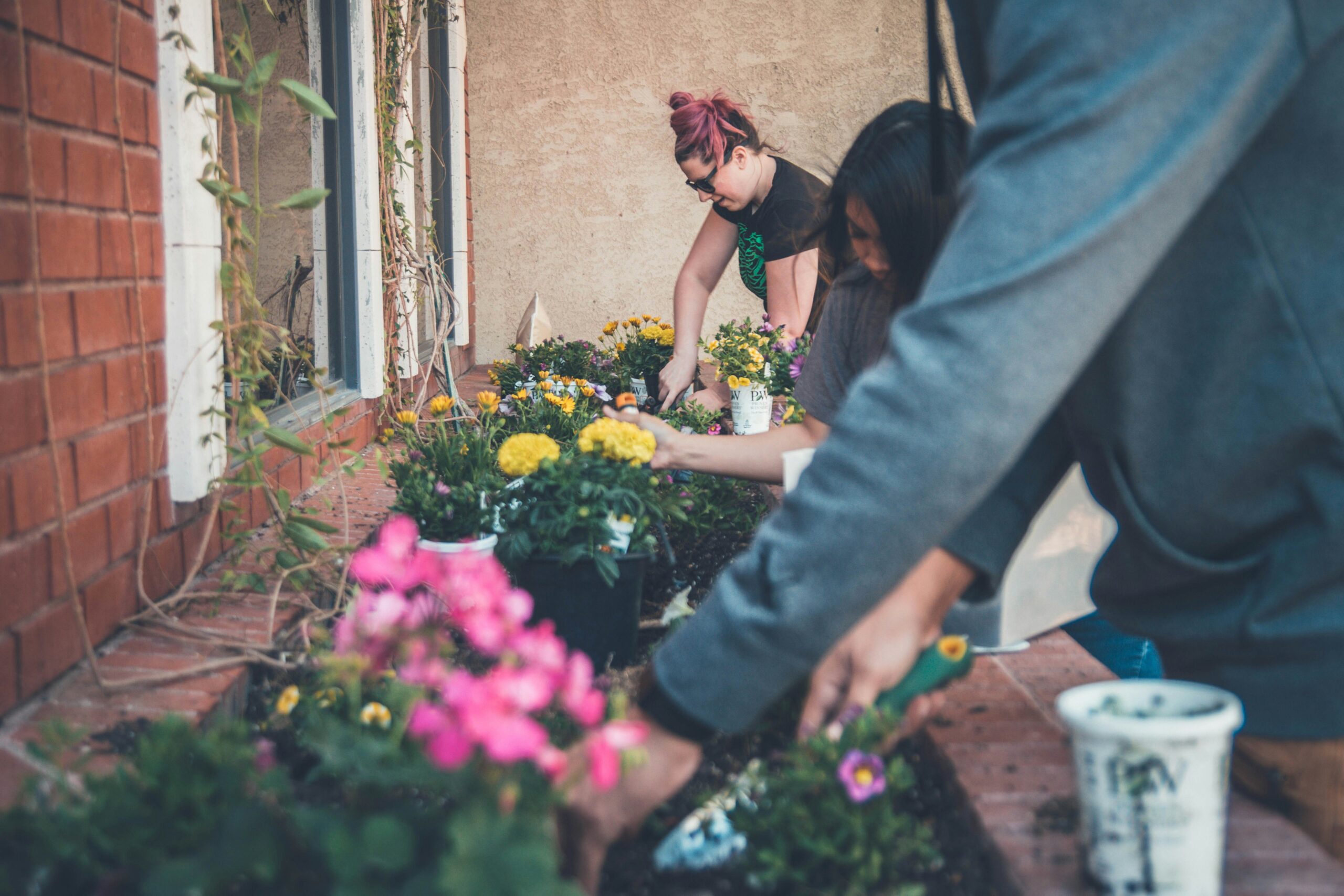
In modern hotel management, gardening plays a much larger role than simple decoration. Instead, it actively shapes guest experience, brand identity, and environmental responsibility. As hospitality continues to evolve, hotels now integrate green spaces into their core design strategies. Moreover, guests increasingly value natural environments that promote relaxation and well-being. Therefore, gardening has become an essential part of how hotels attract and retain visitors. This shift highlights how nature and hospitality now work closely together.
Enhancing First Impressions Through Landscape Design
First impressions matter greatly in hotel management, and gardening strongly influences those impressions. As guests arrive, they immediately notice the surrounding landscape and greenery. For example, well-maintained gardens create a sense of calm and luxury right away. Meanwhile, poorly designed outdoor spaces can reduce overall appeal. Consequently, hotel managers invest time and effort into thoughtful landscape planning. In addition, plants, flowers, and walkways help guide guests toward entrances in a welcoming way. Because of this, gardening becomes a key part of visual storytelling.
Creating Relaxation and Emotional Well-Being
Gardening also plays a major role in guest relaxation and emotional health. Natural environments help reduce stress and improve mood. For instance, green spaces with flowers and trees create a peaceful atmosphere for rest. Moreover, guests often use gardens as quiet spaces to unwind after travel or meetings. As a result, hotels that invest in greenery often receive higher guest satisfaction. In addition, outdoor seating areas surrounded by plants encourage longer stays and deeper comfort. Therefore, gardening directly supports the emotional goals of hospitality services.
Strengthening Hotel Identity Through Green Spaces
Every hotel seeks a unique identity, and gardening helps build that identity effectively. Through carefully designed landscapes, hotels express their brand personality. For example, a luxury resort may use tropical plants to reflect elegance and exclusivity. Meanwhile, a boutique hotel may use local plants to highlight cultural authenticity. Consequently, guests begin to associate the hotel with specific natural aesthetics. Moreover, these green designs create memorable visual experiences. Because of this, gardening becomes a strategic branding tool in hotel management.
Supporting Sustainability and Environmental Responsibility
Sustainability has become a major focus in the hospitality industry, and gardening supports this goal. Hotels now use green spaces to promote environmental awareness and eco-friendly practices. For instance, many properties plant native species to reduce water consumption. Additionally, some hotels grow herbs and vegetables for use in their kitchens. As a result, they reduce waste while also improving food quality. Moreover, gardens help improve air quality and reduce heat around buildings. Therefore, gardening strengthens both environmental performance and corporate responsibility.
Improving Guest Engagement Through Outdoor Spaces
Gardening also increases guest engagement by offering interactive outdoor experiences. Guests often enjoy walking through gardens or sitting in landscaped courtyards. Moreover, these spaces encourage photography, relaxation, and social interaction. For example, a well-designed garden can become a popular gathering spot during events. In addition, hotels sometimes host outdoor activities in green spaces to enhance guest participation. Consequently, guests feel more connected to the property. Because of this, gardening adds value beyond visual beauty and becomes part of the guest experience.
Supporting Wellness and Health-Focused Hospitality
In recent years, wellness tourism has grown rapidly, and gardening plays a key role in this trend. Many hotels now design gardens specifically for relaxation, meditation, and physical well-being. For instance, walking paths surrounded by greenery encourage gentle exercise. Moreover, natural environments help reduce anxiety and improve mental clarity. As a result, guests often choose hotels that offer strong wellness features. In addition, garden spaces support yoga sessions, breathing exercises, and mindfulness practices. Therefore, gardening directly contributes to a healthier hospitality experience.
Integrating Gardening With Hotel Architecture
Successful hotel management requires harmony between architecture and landscape design. Gardening helps create this balance by softening structural elements. For example, plants placed around buildings reduce harsh visual lines and add warmth. Meanwhile, vertical gardens and rooftop greenery maximize space in urban hotels. Consequently, even limited areas can support natural design elements. Moreover, architects and landscape designers now collaborate closely during planning stages. Because of this, hotels achieve a seamless connection between indoor and outdoor environments.
A Natural Future for Hotel Management
Gardening has become a vital part of modern hotel management. It enhances guest experience, strengthens branding, and supports sustainability goals. Moreover, it creates emotional comfort and encourages long-term guest satisfaction. As the hospitality industry continues to evolve, green spaces will play an even greater role. Therefore, hotels will increasingly invest in thoughtful and creative landscape design. Ultimately, gardening transforms hospitality into a more natural, welcoming, and meaningful experience for every guest.