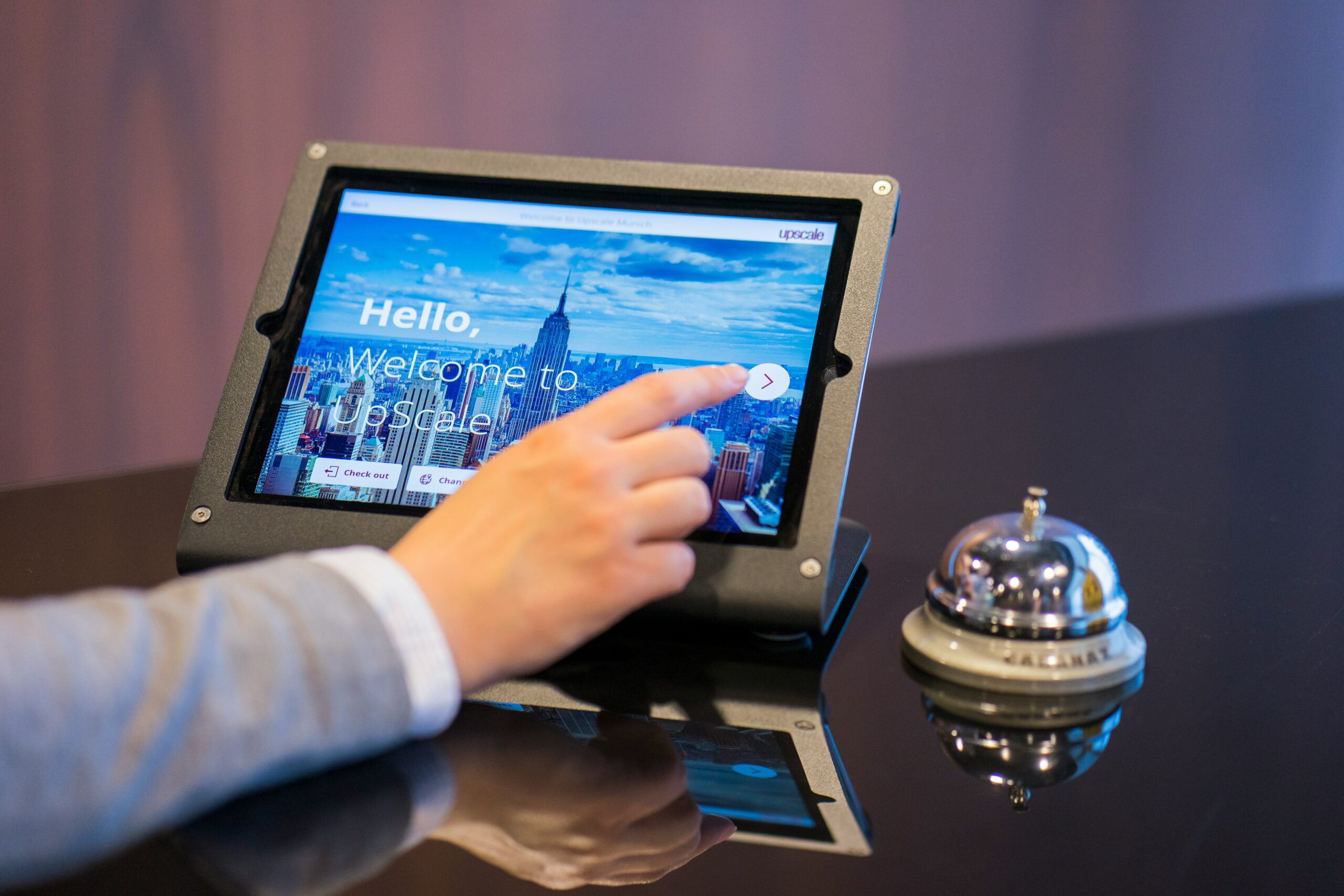
Holistic hotel management is a complete way to run a hotel. It looks at every part of the business, not just rooms, rates, or staff schedules. It connects guest care, team support, operations, wellness, technology, finance, and local impact. When these parts work together, the hotel feels more balanced and professional.
A hotel is more than a place to sleep. Guests notice the welcome at the front desk, the smell of the lobby, the speed of service, the comfort of the room, and the mood of the staff. They also notice small details, such as clean hallways, clear signs, quick replies, and calm problem solving. Holistic hotel management helps leaders manage all these details with one clear vision.
Understanding the Whole Hotel System
A hotel works like one living system. If one part is weak, other parts can suffer. For example, poor housekeeping can lead to bad reviews. Bad reviews can lower bookings. Lower bookings can reduce revenue. Low revenue can increase stress for managers and staff.
Holistic hotel management helps prevent this chain reaction. It encourages hotel leaders to look at the full picture before making choices. They do not only ask, “How can we cut costs?” They also ask, “How will this affect guests, staff, service quality, and future growth?”
This wider view helps hotels make better long-term decisions. It also supports smoother daily work because each department understands how it connects to the rest of the hotel.
Putting Guest Experience at the Center
Guest experience is one of the main parts of holistic hotel management. Every guest wants comfort, safety, respect, and value. Some guests want peace and privacy. Others want fast service, local tips, or special support during their stay.
A holistic approach studies the full guest journey. This starts before the guest arrives. It includes the booking process, pre-arrival messages, check-in, room comfort, dining, service requests, check-out, and follow-up.
Simple actions can make a big difference. Clear booking details reduce confusion. Friendly check-in builds trust. Clean rooms create comfort. Fast replies show care. A short thank-you message after the stay can leave a strong final impression.
Holistic hotel management does not treat guest care as one department’s job. It makes guest care part of the whole hotel culture.
Supporting Staff Health and Performance
A hotel cannot offer great service if the team feels tired, ignored, or stressed. Staff members are the face and heart of the hotel. They solve problems, welcome guests, clean rooms, serve food, and keep the property running.
Holistic hotel management gives strong attention to employee well-being. This includes fair schedules, clear training, safe workspaces, and open communication. It also means managers listen when staff share problems or ideas.
When workers feel respected, they are more likely to stay. They also serve guests with more patience and pride. This can lower staff turnover and improve service quality.
Training is also important. Staff should understand hotel standards, but they should also know why those standards matter. When people know the purpose behind their work, they often perform with more care.
Creating Smooth Daily Operations
Daily operations can make or break a hotel. Guests may not see every system behind the scenes, but they feel the results. If rooms are not ready on time, guests become frustrated. If maintenance is slow, comfort drops. If supplies run low, staff struggle to serve well.
Holistic hotel management improves operations by connecting teams. Housekeeping, front desk, maintenance, food service, sales, and management should share useful information. A strong system helps everyone know what is happening.
For example, if the front desk knows a family is arriving early, housekeeping can try to prepare the room sooner. If maintenance knows about a small issue early, it can fix the problem before it becomes serious.
Good operations are not only about speed. They are also about planning, teamwork, and clear steps.
Using Technology with Purpose
Technology is a useful part of holistic hotel management, but it should not replace human care. The best technology makes service easier, faster, and more personal.
Hotels can use property management systems, guest messaging tools, digital check-in, smart room controls, booking data, and review tracking. These tools help managers understand patterns. They can show busy seasons, common guest requests, room issues, and service gaps.
Still, technology should be simple for both guests and staff. If a system is confusing, it can create more stress. Hotel leaders should choose tools that solve real problems. They should also train staff well so the tools support daily service.
The goal is not to look modern for its own sake. The goal is to make the hotel more helpful, organized, and guest-friendly.
Building Financial Strength Without Losing Quality
Every hotel needs profit to survive. But cutting corners can hurt guest trust and damage the brand. Holistic hotel management balances financial goals with service quality.
Smart financial planning looks at revenue, costs, guest value, staff needs, and long-term brand health. A hotel may save money by buying cheaper products, but poor quality can lead to complaints. A hotel may reduce staff hours, but slow service can lead to bad reviews.
A better approach is to find waste and improve value. Hotels can manage energy use, reduce food waste, plan labor more carefully, and improve direct bookings. They can also create packages that match guest needs, such as wellness stays, family offers, business travel services, or local experience bundles.
Financial strength grows when guests feel the hotel is worth the price.
Caring for the Local Community and Environment
Modern guests often care about where their money goes. Many want hotels that respect the local area and reduce waste. Holistic hotel management includes this wider responsibility.
Hotels can support local businesses by using nearby suppliers, hiring local workers, and recommending local attractions. They can also reduce plastic use, save water, manage energy, and donate unused safe items when possible.
These actions help the community and improve the hotel’s image. They also give guests a deeper connection to the place they are visiting.
Sustainability does not have to be complex. Small, steady steps can create real change. A hotel can start with better recycling, energy-saving lights, linen reuse programs, and local menu items.
Leading with Clear Values and Consistent Standards
Strong leadership is the base of holistic hotel management. Leaders set the tone for the whole property. If leaders are calm, fair, and clear, the team usually works with more focus.
A hotel should have values that guide daily choices. These values may include respect, comfort, honesty, cleanliness, safety, and service. But values must be more than words on a wall. Managers need to show them through action.
Consistent standards also matter. Guests should receive the same level of care each time they visit. Staff should know what is expected. Managers should check quality often and correct problems early.
Holistic hotel management works best when leaders keep learning. Guest needs change. Technology changes. Travel habits change. A hotel that listens and adapts can stay strong in a competitive market.
In the end, holistic hotel management is about balance. It brings people, systems, service, money, and purpose together. It helps hotels create better stays for guests, better workplaces for staff, and better results for owners. When every part of the hotel supports the same goal, the whole business becomes stronger.