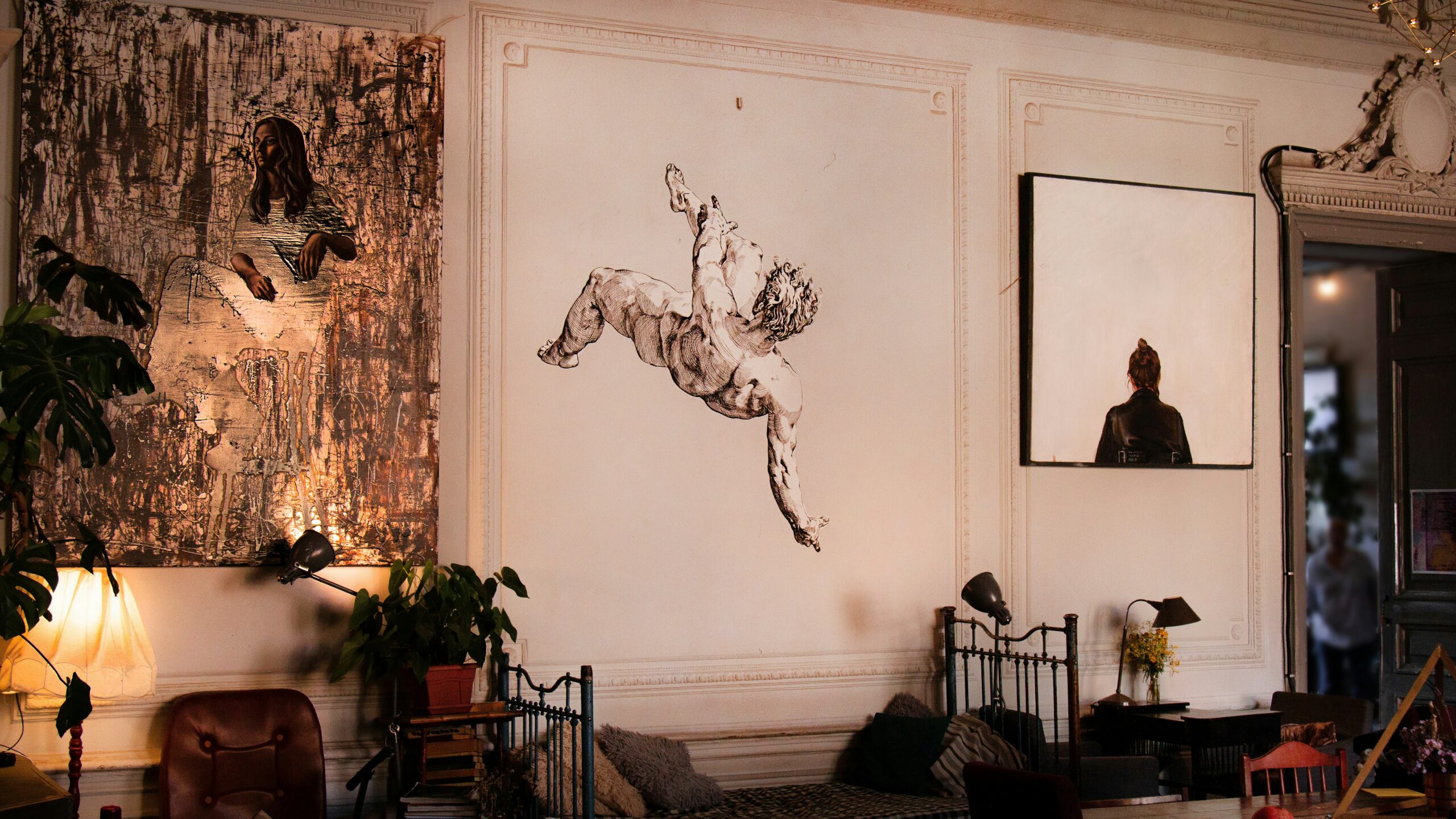
Art and hospitality once moved along separate paths. However, they now intersect in exciting ways. This shift reflects changing guest expectations. Travelers no longer seek only comfort. Instead, they look for meaning and inspiration. As a result, hotels, resorts, and restaurants embrace artistic expression. They use it to shape memorable experiences. At the same time, artists gain new platforms. This partnership benefits both fields. It also reshapes how people experience spaces.
Moreover, this blend enhances emotional connections. Guests feel more engaged when their surroundings tell a story. Art adds depth, while hospitality adds warmth. Together, they create environments that feel both personal and immersive. Therefore, businesses that embrace this approach stand out in a competitive market.
Designing Spaces with Artistic Vision
Interior design plays a crucial role in this fusion. Many hospitality brands now collaborate with artists. They integrate paintings, sculptures, and installations into their spaces. This approach transforms ordinary settings into creative environments. Guests do not just stay overnight. Instead, they interact with art throughout their visit.
Furthermore, thoughtful design creates a sense of place. Local artists often contribute to projects. Their work reflects regional culture and history. As a result, guests experience authenticity. They connect with the destination on a deeper level. This strategy also supports local communities. It gives artists exposure and income.
In addition, lighting and layout influence how guests perceive art. Designers carefully position each piece. They consider sightlines and movement. This attention to detail ensures that art enhances, rather than overwhelms, the space. Consequently, guests enjoy a balanced and harmonious atmosphere.
Elevating Guest Experiences Through Creativity
Art enriches the guest journey in many ways. For instance, hotels often host exhibitions and live performances. These events create dynamic environments. Guests feel inspired and entertained during their stay. At the same time, they gain access to cultural experiences without leaving the property.
Moreover, interactive art invites participation. Some spaces feature workshops or creative sessions. Guests can paint, sculpt, or engage in other activities. This involvement fosters personal connections. It turns a simple visit into a memorable experience. As a result, guests are more likely to return.
Additionally, storytelling plays a key role. Art allows businesses to communicate their brand identity. Each piece contributes to a larger narrative. This narrative shapes how guests perceive the space. Therefore, creativity becomes a powerful tool for differentiation.
The Role of Culinary Arts in Hospitality
Food also serves as a form of artistic expression. Chefs combine flavors, textures, and presentation to create unique dishes. In many establishments, dining becomes an immersive experience. Guests do not just eat. They explore creativity through taste and design.
Furthermore, presentation matters as much as flavor. Plates often resemble works of art. Colors, shapes, and arrangements capture attention. This visual appeal enhances the overall experience. It encourages guests to savor each moment.
In addition, culinary storytelling adds depth. Menus often reflect cultural influences or seasonal themes. Chefs use ingredients to tell stories about heritage and innovation. As a result, dining becomes both educational and enjoyable. This approach strengthens the connection between guests and the establishment.
Building Emotional Connections
Art has the power to evoke emotions. When combined with hospitality, it creates lasting impressions. Guests remember how a place made them feel. Therefore, emotional engagement becomes a key goal.
Moreover, personalized experiences enhance this connection. Some establishments tailor art displays to their audience. They consider guest preferences and cultural backgrounds. This attention to detail shows care and understanding. As a result, guests feel valued and appreciated.
Additionally, shared experiences foster community. Guests often discuss and interpret art together. These interactions create social bonds. They also enrich the overall atmosphere. Consequently, hospitality spaces become hubs of connection and creativity.
Supporting Artists and Communities
This fusion also benefits artists. Hospitality venues provide new opportunities for exposure. Artists can showcase their work to diverse audiences. This visibility helps them grow their careers. At the same time, businesses gain unique and original content.
Furthermore, partnerships often extend beyond displays. Some establishments commission custom pieces. Others collaborate on events and workshops. These initiatives strengthen relationships between artists and businesses. They also contribute to cultural development.
In addition, local communities gain economic benefits. Supporting artists stimulates the creative economy. It encourages cultural preservation and innovation. Therefore, the impact of this collaboration reaches far beyond individual spaces.
Technology and Innovation in Artistic Hospitality
Technology continues to shape this evolving landscape. Digital art, projection mapping, and virtual reality add new dimensions. These tools allow businesses to create immersive environments. Guests can experience art in innovative ways.
Moreover, technology enables customization. Interactive installations respond to guest input. This engagement creates a sense of ownership. Guests feel like active participants rather than passive observers. As a result, experiences become more meaningful.
Additionally, social media amplifies the impact. Visually striking spaces attract attention online. Guests share their experiences with a wider audience. This exposure benefits both the business and the artists involved. Consequently, creativity becomes a powerful marketing tool.
Challenges and Considerations
Despite its benefits, this approach requires careful planning. Businesses must balance aesthetics and functionality. Art should enhance the space, not hinder operations. Therefore, thoughtful integration remains essential.
Moreover, authenticity matters. Guests can recognize superficial efforts. Businesses must commit to genuine artistic collaboration. This commitment ensures credibility and trust. As a result, the experience feels meaningful rather than forced.
In addition, cost can pose challenges. High-quality art and design require investment. However, many businesses view this as a long-term strategy. The value of unique experiences often outweighs the initial expense. Consequently, the return on investment can be significant.
The Future of Artistic Hospitality
The integration of art and hospitality will continue to grow. As guest expectations evolve, creativity will play an increasingly important role. Businesses will explore new ways to engage and inspire. This trend reflects a broader shift toward experiential travel.
Furthermore, collaboration will remain central. Artists and hospitality professionals will work together to innovate. Their combined expertise will shape the future of guest experiences. As a result, spaces will become more dynamic and engaging.
This fusion redefines what hospitality can offer. It moves beyond comfort and convenience. It embraces creativity, culture, and connection. Therefore, the blend of art and hospitality will continue to transform the industry.